Past-due tax balance review

Back Tax Help: Review Your IRS Balance and Options

When a past-due tax balance is hanging over your household or business, the first useful step is to see the full account clearly. MBA Financial Tax & Accounting helps you review the notices, tax years, returns, payments, finances, and deadlines before you commit to a path forward.

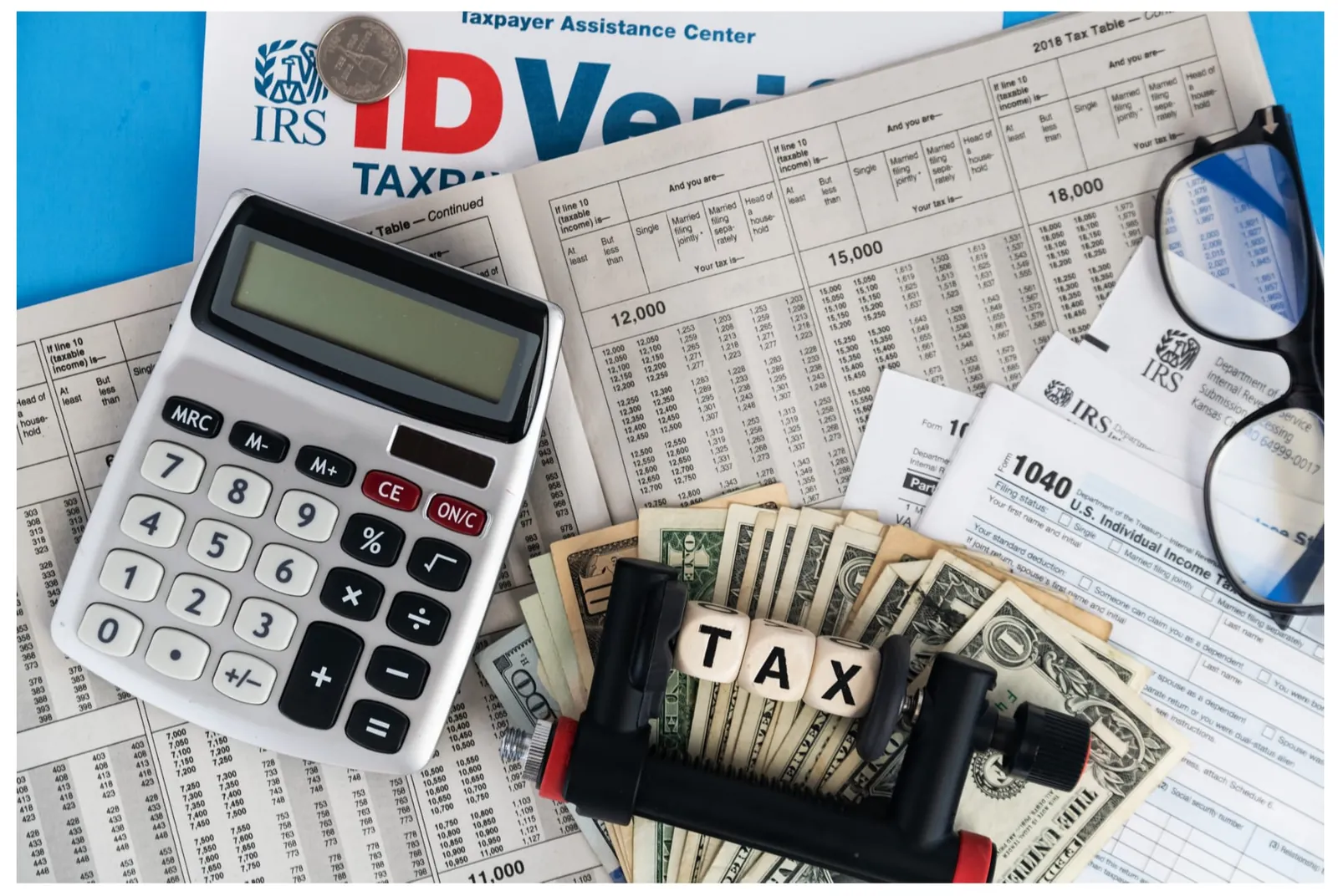
Taxpayer reviewing a past-due tax notice, financial records, and calculator at a desk

Past-due taxes deserve facts before fast promises.

A stressful balance can make any quick solution sound appealing. The better first move is to identify what the account says, what is urgent, and what information supports a realistic response.

How MBA starts

Put the past-due balance in the right order.

Back taxes can involve old notices, changing balances, missing records, and new collection pressure at the same time. MBA Financial starts by organizing the account and the current financial picture so the next step is based on facts, not fear.

1

Identify the tax years and notices

MBA Financial begins with the notices, tax years, balance shown, payment history, filing status, and response dates. A past-due balance can involve more than one year, and an older letter may not reflect the collection action or amount shown today.

2

Separate past-due taxes from missing returns

Owing tax after a return is filed is different from having a return that still needs to be prepared. Both issues can exist at once, but they require different records and can affect the order of the work. The first review makes that distinction before a solution is chosen.

3

Build the current financial picture

Income, necessary household expenses, business costs, dependents, assets, loans, and current tax obligations help show what can realistically be paid. A durable plan must work after the pressure of the first notice has passed.

4

Put the next decision in order

Depending on the facts, the next step may be filing work, an installment-agreement review, a hardship discussion, an Offer in Compromise analysis, penalty review, a levy response, or another resolution path. MBA Financial helps make the immediate and longer-term work clear.

Past-due tax notice, financial records, and calculator prepared for review

A practical review

A past-due balance can have more than one moving part.

It is natural to focus on the total owed. A useful review also looks at whether every required return is filed, what payments have posted, whether a notice has a response date, and whether the balance is tied to a levy, lien, wage issue, penalty, or financial hardship question.

MBA Financial helps separate those decisions before you spend money, sign an agreement, or choose a payment amount under pressure. You do not need to know the name of the program before you call. Bring the notices and records you have, and the right next questions can be identified from there.

Discuss your back-tax situation

What the review looks at

A solution has to fit the account and the life behind it.

The first relief a person needs may be clarity. MBA Financial looks at the facts that make one response more useful than another, so a rushed answer does not create a deeper problem a few months later.

1

A back-tax balance is not one-size-fits-all

The amount owed matters, but it is not the whole answer. The tax years, type of tax, filing history, age of the balance, notice stage, prior arrangements, and current financial facts can all change what deserves attention first.

2

A monthly payment is a commitment, not just a number

A payment amount should be tied to what the tax account requires and what the household or business can actually sustain. Missing returns, new tax obligations, necessary expenses, and an active collection date can all change whether a proposed payment makes sense.

3

Urgent collection action needs its own review

A final levy notice, reduced paycheck, bank hold, or lien affecting property can make the back-tax balance feel immediate. Those actions may require prompt attention, but they do not replace the need to understand the larger account and the work needed afterward.

4

The goal is clarity before commitment

A program name or advertised result is not a substitute for reviewing the account. MBA Financial starts with the information that can be verified, then explains the practical paths that may fit. No settlement, payment amount, or release should be promised before the facts support it.

Bring the facts

What to gather before a back-tax conversation.

You do not need a perfect file before you ask for help. Start with the notices and records you have today. They can show the tax years, payment history, dates, missing information, and immediate risks that should shape the first conversation.

Keep every original notice and do not wait past a response date while you look for every document. A clear starting point is more useful than a delayed answer built from guesses.

Every IRS or state notice and envelope, including balance-due letters, payment-plan paperwork, levy or lien notices, and response dates

Filed returns, missing-year information, extensions, W-2s, 1099s, K-1s, business records, and prior correspondence that identify the tax years involved

Proof of payments already made, including online confirmations, canceled checks, bank statements, payment-plan records, or refund-offset information

Recent pay stubs, benefit statements, business-income records, profit and loss reports, and bank statements that show the present financial picture

A practical list of housing, utilities, food, insurance, medical, transportation, dependent-care, debt, and necessary business expenses

Confidential help

Get clear on the balance before the next deadline.

Call MBA Financial Tax & Accounting to discuss the tax years, notices, returns, payments, current finances, and records you have now. The first conversation is about understanding the problem well enough to choose a practical next step.

Call (989) 686-NO DEbt (6633)Toll-free (877) 306-2246

Monday-Friday, 8am-7pm · Saturday, 10am-4pm

Call or text 24/7. If you reach us after hours, leave a message and we will contact you the following business day.

Questions people ask first

Back-tax help questions.

What does back tax help include?

Back tax help starts with understanding what tax years are involved, what the notices say, whether required returns are filed, what has already been paid, and what collection pressure or deadline exists. From there, MBA Financial can explain the work and resolution paths that may fit the actual account.

Can I get help if I cannot pay my back taxes in full?

Yes. A payment arrangement, hardship discussion, Offer in Compromise analysis, penalty review, balance correction, or another path may deserve attention. The appropriate option depends on the account, filing status, and current financial facts, so it is important not to promise a payment amount based only on a rough balance.

What if I owe back taxes and have unfiled returns?

Those issues should be identified together. Missing returns can limit the available options and can make an account harder to resolve, while a filed balance may still need immediate attention. MBA Financial can help organize the known tax years, available records, and deadlines so the work can be put in a practical order.

Will a payment plan stop penalties and interest on back taxes?

Do not assume a payment arrangement removes every added charge. Interest and penalties can be separate parts of a tax account, and the effect of an arrangement depends on the specific facts and charges. A careful review should explain what the notices show now and what may continue while a balance remains.

What if I am worried about the cost of getting help?

MBA Financial gives priority attention to investigations paid in full at $1,500. Investigation installments are available, and extended monthly plans may be available for ongoing services when appropriate. After the investigation and account analysis, the firm explains the detailed fee structure for the work before you decide whether to proceed.